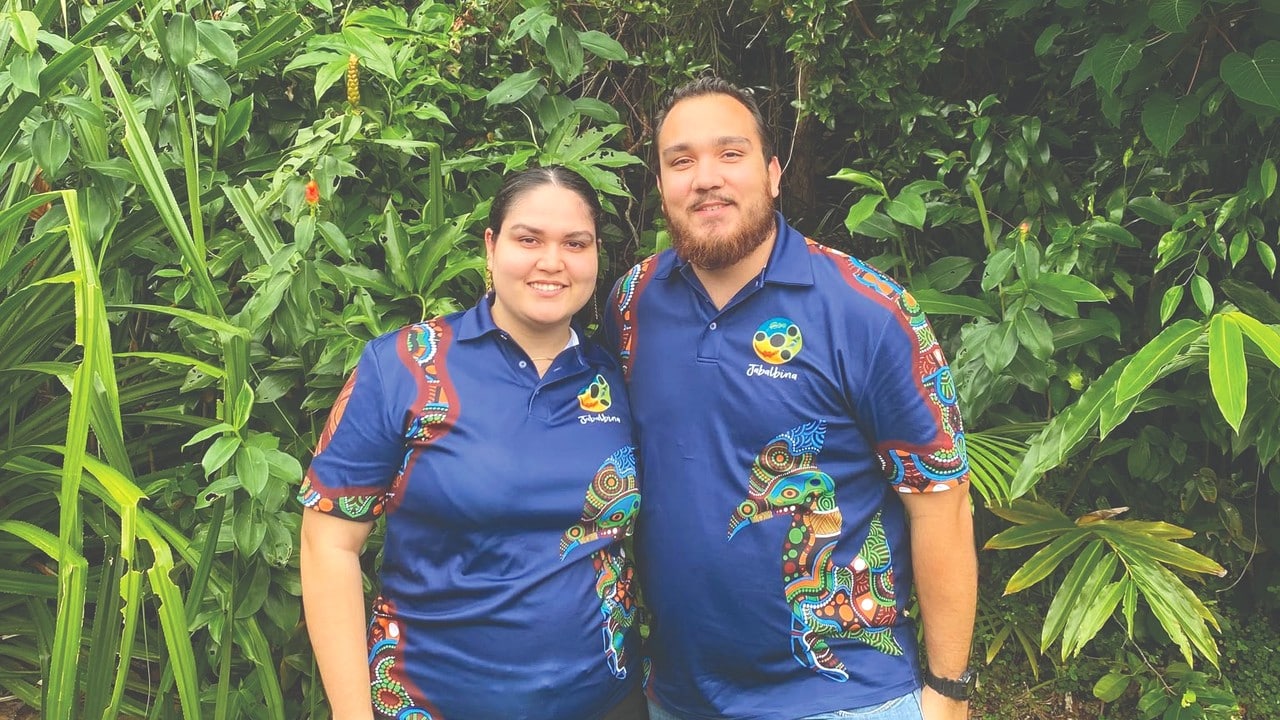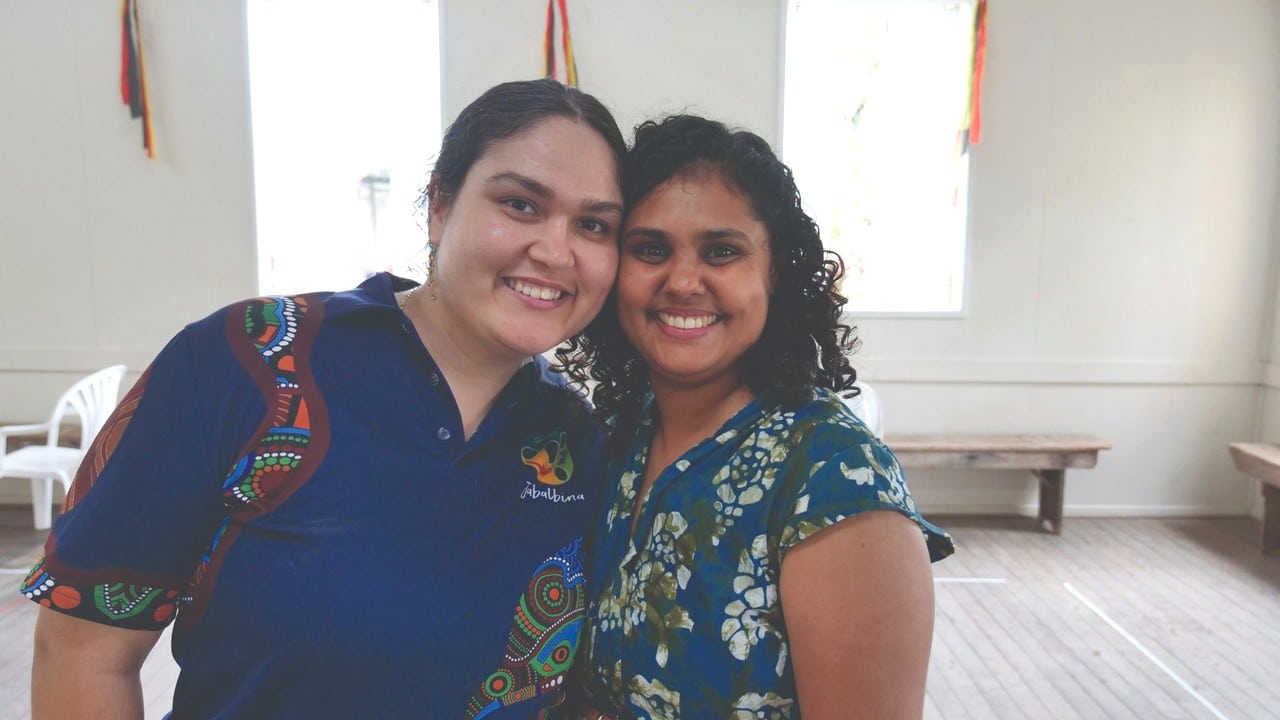
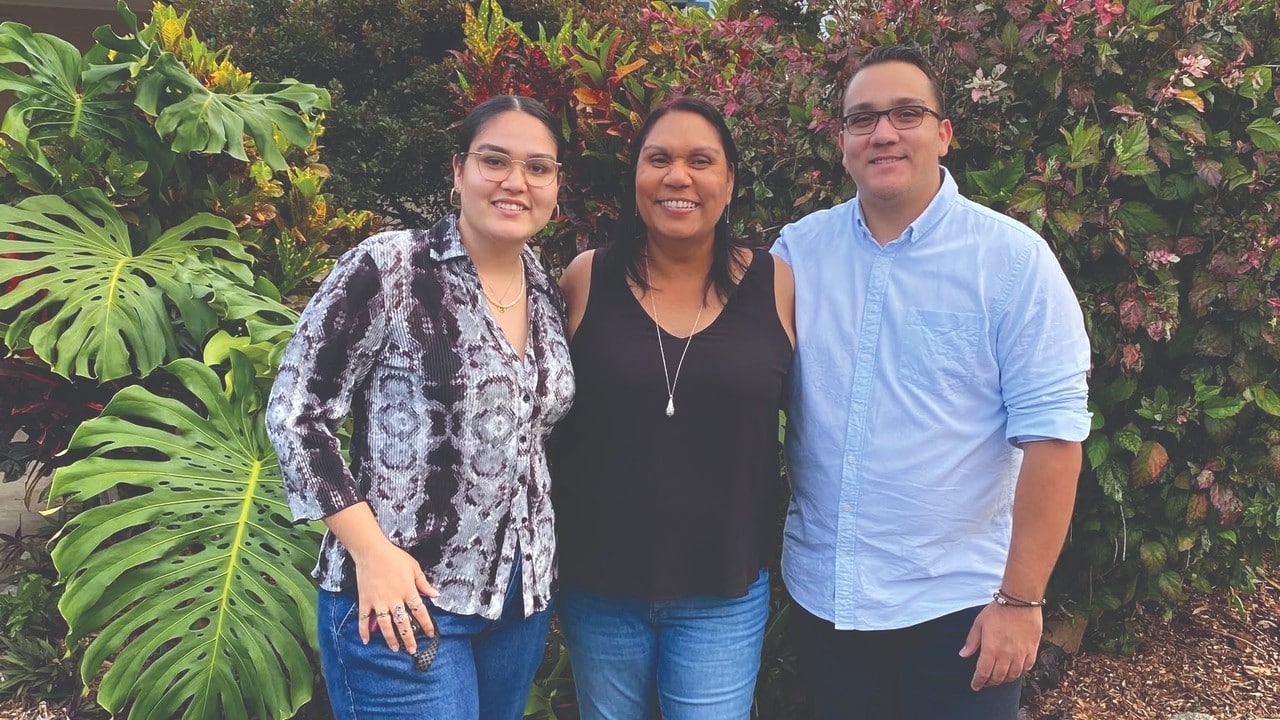
Trinity Clarke dreams of a generation of Kuku Yalanji children growing up the way her grandmother’s did – speaking their ancestral tongue as a first language.
“My goal is to create young fluent speakers in community,” Trinity says. “I want our babies to be first language speakers again, the way they were in my grandparents’ time.”
It is an urgent mission. Kuku Yalanji is classed by UNESCO’s Language Vitality and Endangerment framework as severely endangered – most fluent speakers are now in the grandparent and great-grandparent generations. “That means in five to ten years, it’s at risk of not being spoken at all,” she explains. “We’re at a critical point.”
Trinity, an Eastern Kuku Yalanji, Kuku Nyungkul, Lama Lama and Ayapathu woman living in Mossman, says the determination to reclaim her language was sparked by the hardest years of her education. In 2014 she left home on a Cape York Leaders Program scholarship to attend Clayfield College in Brisbane, graduating in 2018.
“I was really homesick. I missed family, Country, and culture,” she recalls. “Boarding school brought challenges – racism, mental health struggles, just being away from home. But that pull back to culture was so strong, and for me, that was language. Every holiday, I’d go home and learn from my mum, aunties, nannies. I wanted to be fluent.”
The scaffolding to succeed
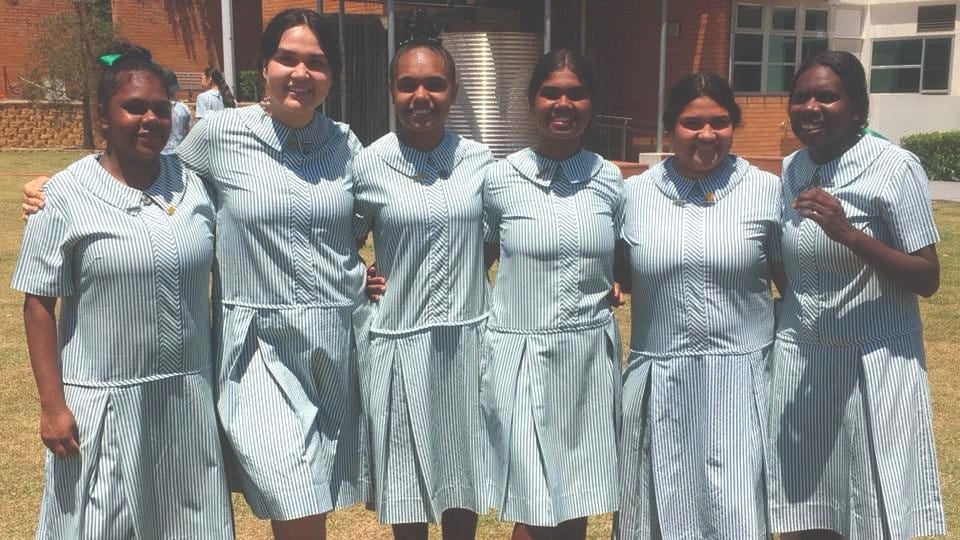
Trinity says she would not have graduated without the support built into the Leaders Program. “I had tutoring four hours a week. I definitely would not have graduated without it,” she says. “And living with the other girls, we’d keep each other accountable – ‘Have you finished that assignment? No? Okay, we’ll do it tonight.’”
That solidarity grew into what Trinity calls her “sisterhood.” “We leaned on each other because we were all in the same boat. Those friendships will last a lifetime. We still talk every week,” she says.
Her mother’s encouragement helped too. “When I rang home, wanting to come back, Mum would say – ask your old people for help, they’re always with you. That was really special.”
Language as anchor
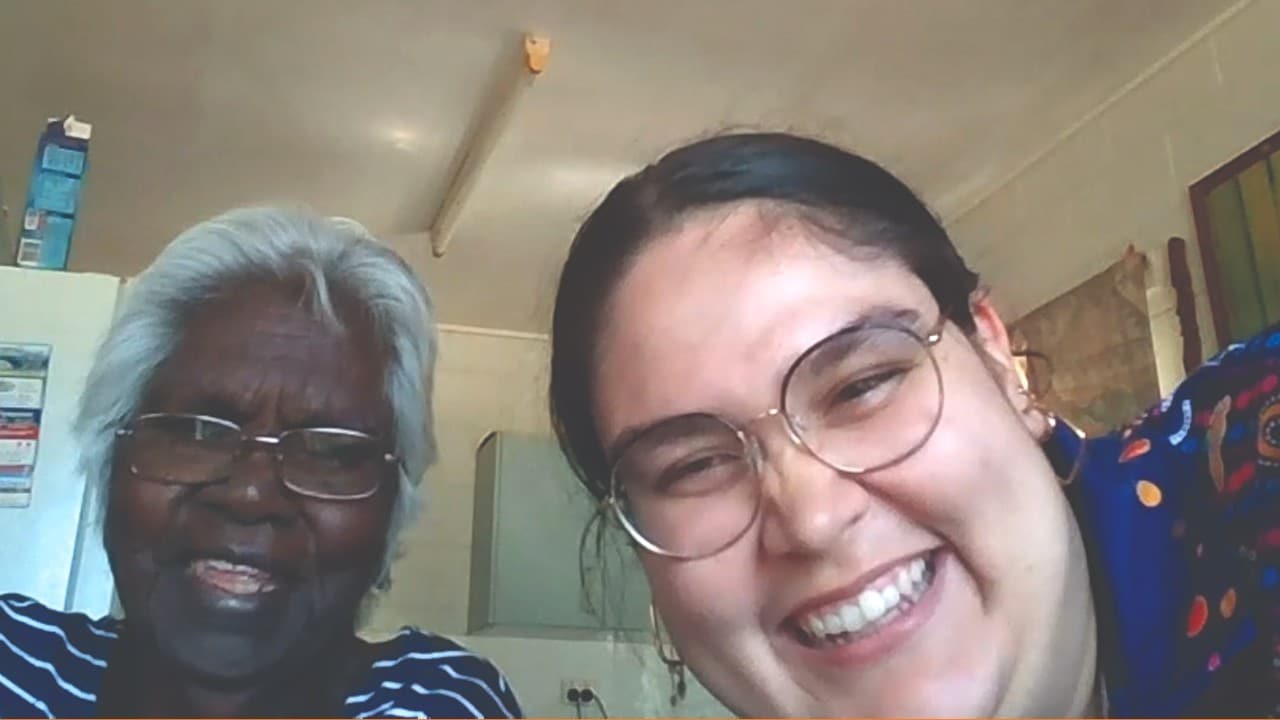
A decade after beginning her language journey, Trinity is now among the most fluent of her generation in her family. “If I hadn’t started 10 years ago, I wouldn’t have had those memories with my family, Aunties and Nannies, who’ve since passed. My family and community are proud of me – and I hold that pride too,” she says.
But she is not done. “I’m not fluent yet. I’ve still got a way to go. My community now looks up to me for language, and I feel responsible to keep going.”
Giving back
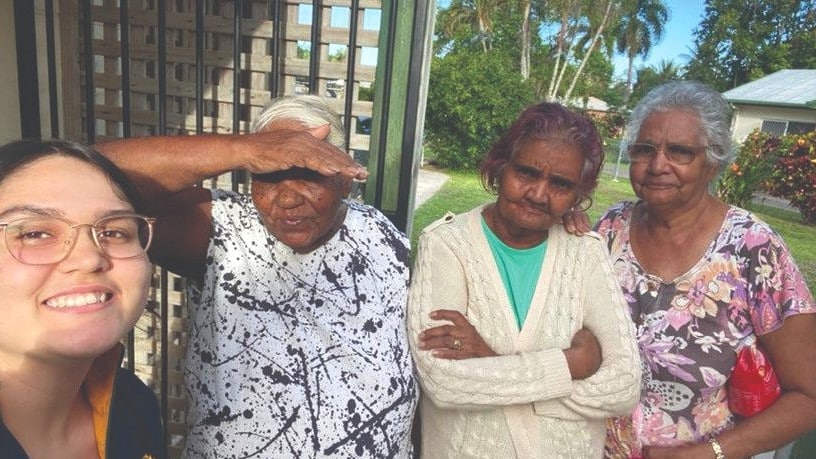
Trinity has returned to the Leaders Program as a camp supervisor, mentoring the next cohorts of Cape York scholarship students. “Everything is mentorship, in every direction. In Year 7 you’re being mentored. Later on, you’re mentoring others,” she says. “It’s a constant cycle of mentoring and being mentored. Of affirming and reaffirming your stage in life.”
For her, the Cape York Leaders Program did more than provide a place at boarding school. “Boarding school shaped who I am. If I hadn’t gone, I don’t know if I’d be doing what I’m doing today,” she says. “The Program gave me the tools – tutoring, cultural support, that sisterhood – to get through. But it also gave me the pull back to language. That’s what anchors me.”
Now, Trinity is working with Jabalbina Yalanji Aboriginal Corporation towards her boldest ambition yet – to hear Yalanji babies raised speaking the words of their Country and ancestors as their first tongue.
“That’s what I want for the next generation,” she says simply. “To bring language home again.”